
Discover the Art of Preserving Historic Architecture
- Information@ Millards Crossing
- Dec 2, 2025
- 4 min read
Preserving historic buildings is more than just saving old structures. It is about maintaining the cultural heritage and architectural beauty that tells the story of a community’s past. The art of architectural restoration techniques plays a crucial role in this process. These techniques help restore and protect buildings while respecting their original design and materials. This blog post explores the essential methods and practical advice for anyone interested in the preservation of historic architecture.
Understanding Architectural Restoration Techniques
Architectural restoration techniques involve a variety of methods aimed at repairing and conserving historic buildings. The goal is to keep the original character intact while ensuring the structure remains safe and functional. Restoration is different from renovation or remodeling because it focuses on preserving the authenticity of the building.
Some common architectural restoration techniques include:
Cleaning and surface treatment: Removing dirt, pollutants, and biological growth without damaging the original materials.
Structural stabilization: Reinforcing foundations, walls, and roofs to prevent collapse.
Material conservation: Repairing or replacing damaged bricks, stones, wood, or plaster with materials that match the original.
Repointing: Renewing the mortar joints between bricks or stones to prevent water infiltration.
Protective coatings: Applying breathable sealants to protect surfaces from weathering.
Each technique requires careful planning and skilled craftsmanship to ensure the historic value is preserved.

Key Architectural Restoration Techniques in Practice
When restoring a historic building, it is essential to follow a systematic approach. Here are some practical steps and techniques used by professionals:
Assessment and Documentation
Before any work begins, a thorough assessment of the building’s condition is necessary. This includes documenting existing damage, materials, and architectural details. Photographs, sketches, and written reports help create a restoration plan.
Research and Historical Analysis
Understanding the building’s history and original construction methods guides the restoration process. This research may involve studying old photographs, blueprints, or consulting experts.
Material Testing and Selection
Testing original materials helps determine their composition and condition. Selecting compatible materials for repairs ensures longevity and visual harmony.
Cleaning and Surface Preparation
Gentle cleaning methods such as low-pressure water washing, chemical poultices, or laser cleaning remove dirt without harming delicate surfaces.
Repair and Replacement
Damaged elements are carefully repaired or replaced with matching materials. For example, decayed wooden beams might be replaced with the same species of wood, shaped to match the original.
Structural Reinforcement
Hidden reinforcements like steel supports or carbon fiber strips can strengthen the building without altering its appearance.
Finishing Touches
Final steps include repainting with historically accurate colors, restoring decorative details, and applying protective coatings.
By following these techniques, restorers can breathe new life into historic buildings while respecting their heritage.

The Importance of Historic Architecture Preservation
Preserving historic architecture is vital for cultural, educational, and economic reasons. These buildings serve as tangible links to the past, offering insights into architectural styles, craftsmanship, and community history. They also contribute to a sense of identity and pride.
Moreover, historic buildings often attract tourism and can boost local economies. Adaptive reuse of these structures for modern purposes—such as museums, offices, or homes—promotes sustainability by reducing the need for new construction materials.
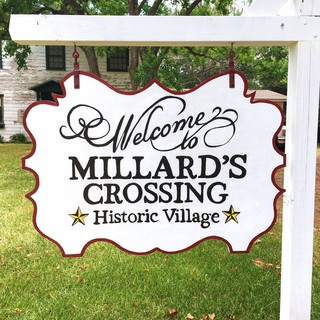
The process of historic architecture preservation requires collaboration between architects, historians, craftsmen, and the community. It is a commitment to safeguarding heritage for future generations. An exciting new addition to Millard's Crossing is the functioning cotton gin that will soon become part of the paid tour.
Challenges in Architectural Restoration and How to Overcome Them
Restoring historic buildings is not without challenges. Some common issues include:
Material deterioration: Age and exposure cause decay, making repairs complex.
Lack of original materials: Some materials or craftsmanship techniques may no longer be available.
Modern building codes: Meeting safety and accessibility standards while preserving historic features can be difficult.
Budget constraints: Restoration can be costly and time-consuming.
To overcome these challenges, consider the following recommendations:
Use modern technology wisely: Non-invasive scanning and 3D modeling can help plan restorations accurately.
Source reclaimed materials: Salvaged bricks, wood, and tiles can match original materials.
Consult experts: Engage preservation specialists and craftsmen experienced in historic techniques.
Plan phased restoration: Break the project into manageable stages to spread costs.
Educate stakeholders: Raise awareness about the value of preservation to gain support and funding.
By addressing these challenges thoughtfully, restoration projects can succeed without compromising historic integrity.
Practical Tips for Homeowners and Enthusiasts
If you own or care for a historic property, here are some actionable tips to help maintain and restore it:
Regular inspections: Check for signs of damage such as cracks, moisture, or insect infestation.
Gentle cleaning: Avoid harsh chemicals or pressure washing that can damage surfaces.
Maintain roofs and gutters: Proper drainage prevents water damage.
Preserve original features: Keep windows, doors, and decorative elements intact whenever possible.
Hire qualified professionals: Choose contractors with experience in historic restoration.
Document changes: Keep records of all repairs and alterations for future reference.
Taking these steps can extend the life of your historic building and preserve its unique character.
Embracing the Legacy Through Architectural Restoration
The art of architectural restoration techniques is a bridge between the past and the present. It allows us to honor the craftsmanship and stories embedded in historic buildings while adapting them for today’s needs. Whether you are a professional restorer or a passionate homeowner, understanding and applying these techniques is key to successful preservation.
By investing time, care, and expertise, we can ensure that historic architecture continues to inspire and educate for generations to come. Explore more about historic architecture preservation and join the movement to protect our shared heritage.


Comments